









War, death, crisis, and suffering. It’s the majority of what you see on the news stations broadcasted to you 24/7 no matter what flashy headline captures your attention and holds it hostage. Don’t you wish you could go back to a time where nothing mattered? A time lived by your parents so long ago that the past looks grand compared to the state of our world right now? It’s what the youth want now as our world descends into a state of madness, using the past as a sort of escape from the overwhelming noise.
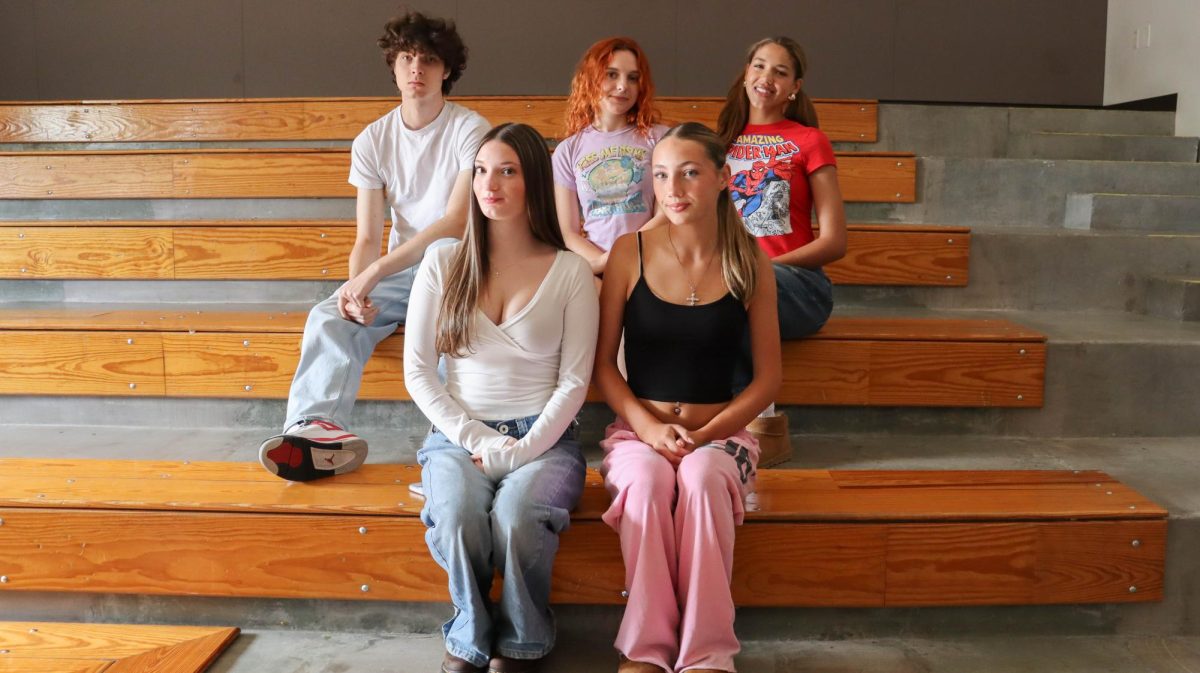
“It kind of sucks. Just generally terrible. We as a society are going in the wrong direction and leaving certain people behind, forgetting what matters.” Replies Roosevelt student Launa Cleek when asked about the future that awaits.
Culture as we know it has been stripped down to its bleakest point. Minimalized and prepackaged to serve the general public en masse, only a sliver of what it once was. From architecture and modernization projects on recreational spaces to something as simple as Hollister Camouflage Hoodies and Uggs. It’s all you see. There’s this lack of expression in the air causing a pandemic of conformity that nobody can combat, and the people are starting to see it. With most young minds scared for the future of the world, we’ve regressed into a state of consuming curated aesthetics that mimic the world of our parents. 2000s, 90s, 80s, 70s. These four specific decades are highly looked up upon for false nostalgia as they marked important turning points for socialization in our society.
Digital media made its debut around the 70s and 80s, however it was nascent and people were still going out and seeing the world with their own eyes. The lack of screens allowed for open and honest interactions with human beings similar to them which painted the world with personality and self expression.
However, as Launa puts it: “I don’t think [the past] is necessarily better. There’s still a lot of social issues, but there’s so much media and spread of information that makes our era seem a lot worse which causes people to romanticize the past.”
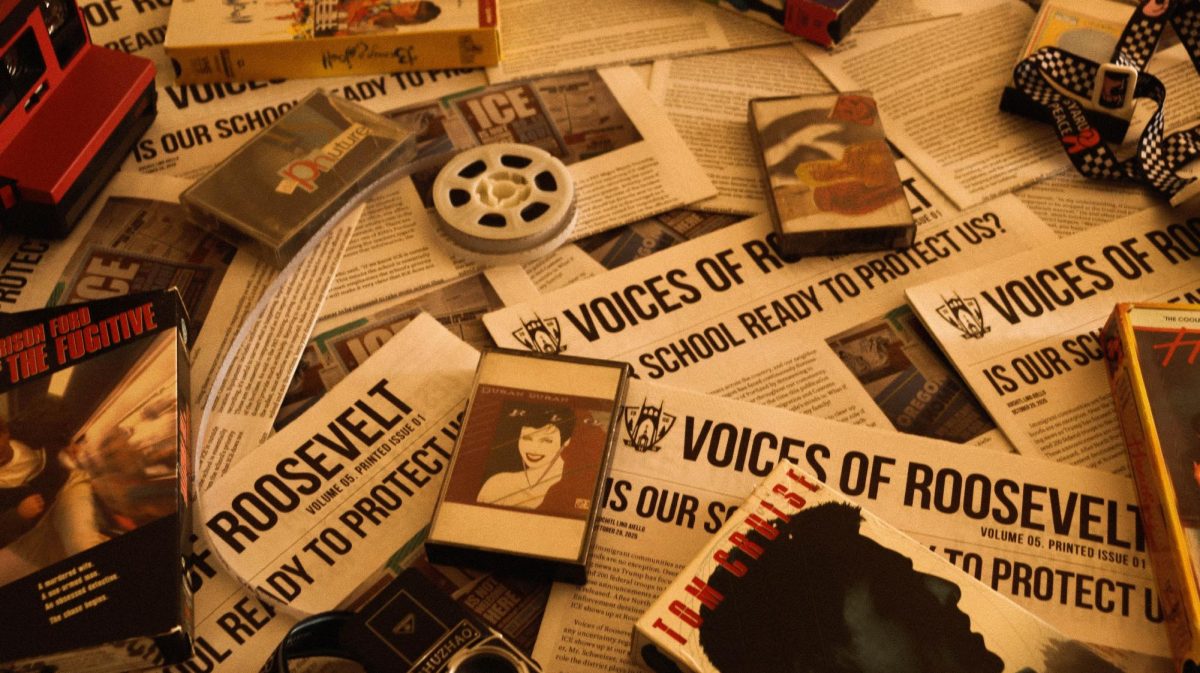
The popularization of genuine physical media from decades ago despite the fact that we have new and improved technology is a direct result of people wanting to breathe life back into our world. We associate vinyls, CDs, VHS, and anything out of the realm of bluetooth with the vintage bubble. This pivotal point of technology is so fascinating to the people of today because we can compare now and then and watch evolution take the wheel in real time.
So are you really going back to a time where nothing mattered? Or do younger generations choose to ignore the fact that political injustice existed back then as it does now. If you want to begin to understand the past, you must understand both the positives and negatives that make up both sides of an era. To ignore the bad is to make yourself oblivious to the issues from decades ago that reign terror on our world today with such a politically split society.
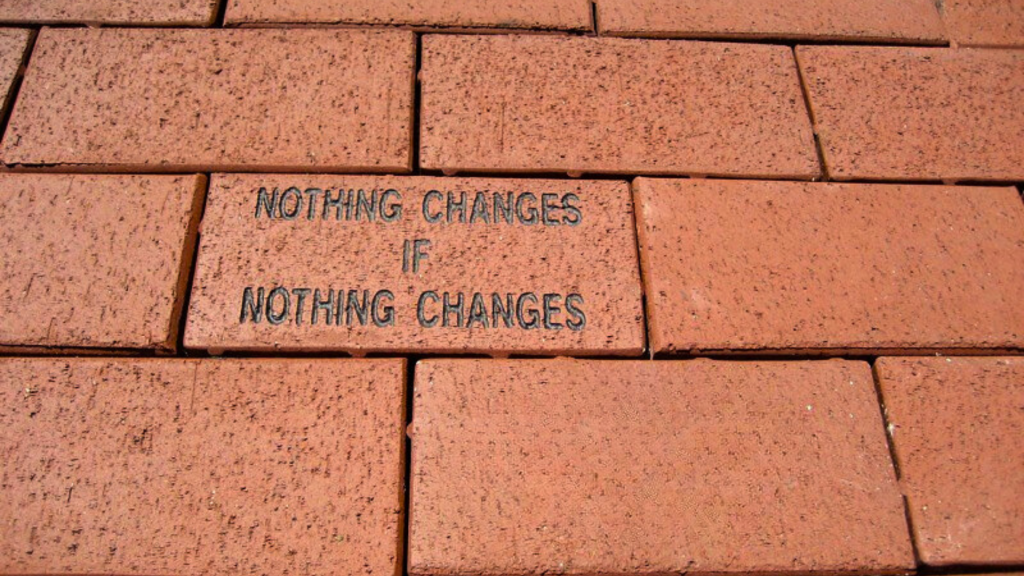
Until the path ahead starts to clear up for society, many will continue to resort to living their decade of choice vicariously through social outlets that don’t encapsulate the entire story when it matters most. Instead of being spoon-fed chunks of curated nostalgia from bohemian Fleetwood Mac Woodstock culture to the lifestyle of an 80s teenager clad in aerobic wear and cheetah print, look towards the bad and the ugly. Don’t shy away from the future as it determines both the life of you and those who come after you. Purge the poison. It’s the responsibility of not just the government but the people as well to advocate for change when faced with adversity. This isn’t to say that you aren’t allowed to have an aesthetic that you resonate with, but more so to be conscious of what you’re consuming and not letting it in turn consume your entire world. Changing the past isn’t an option but shaping a better future is.