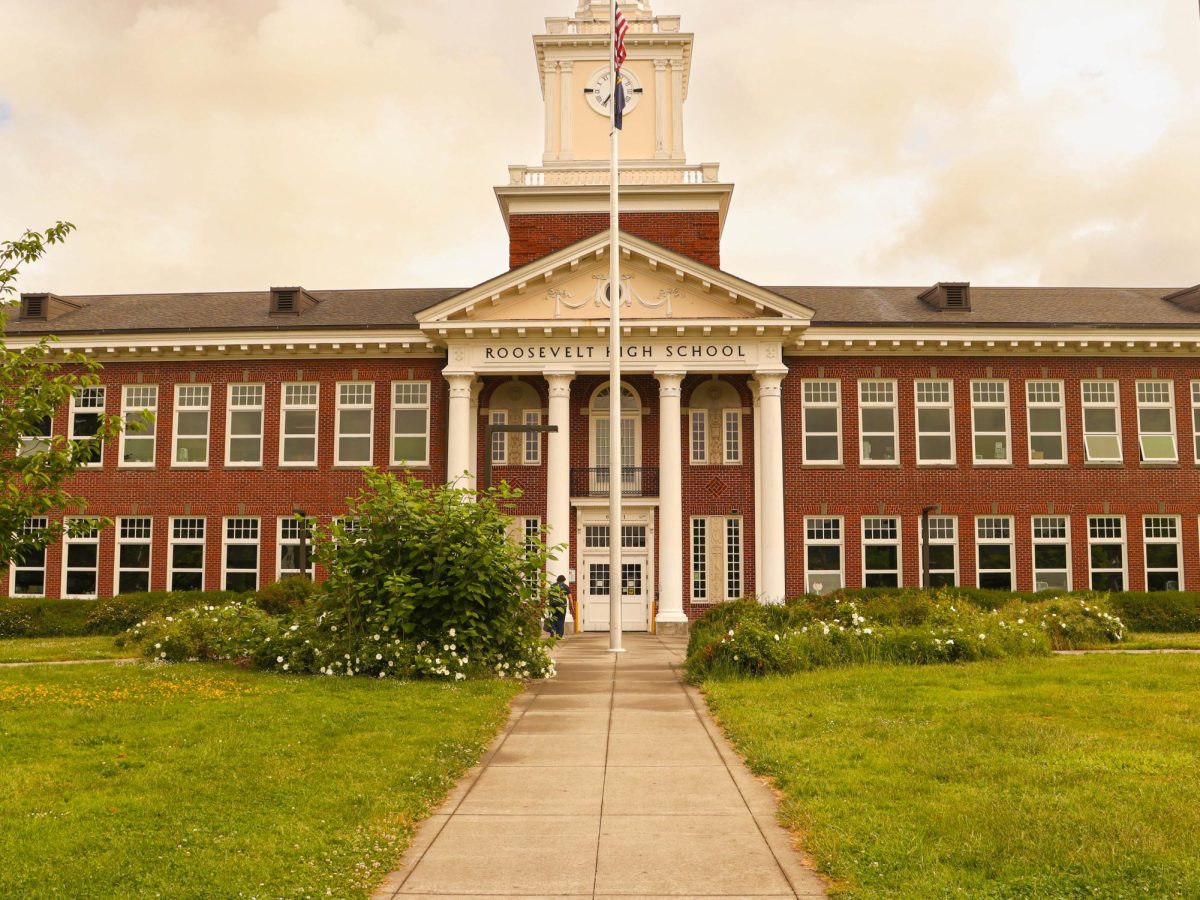










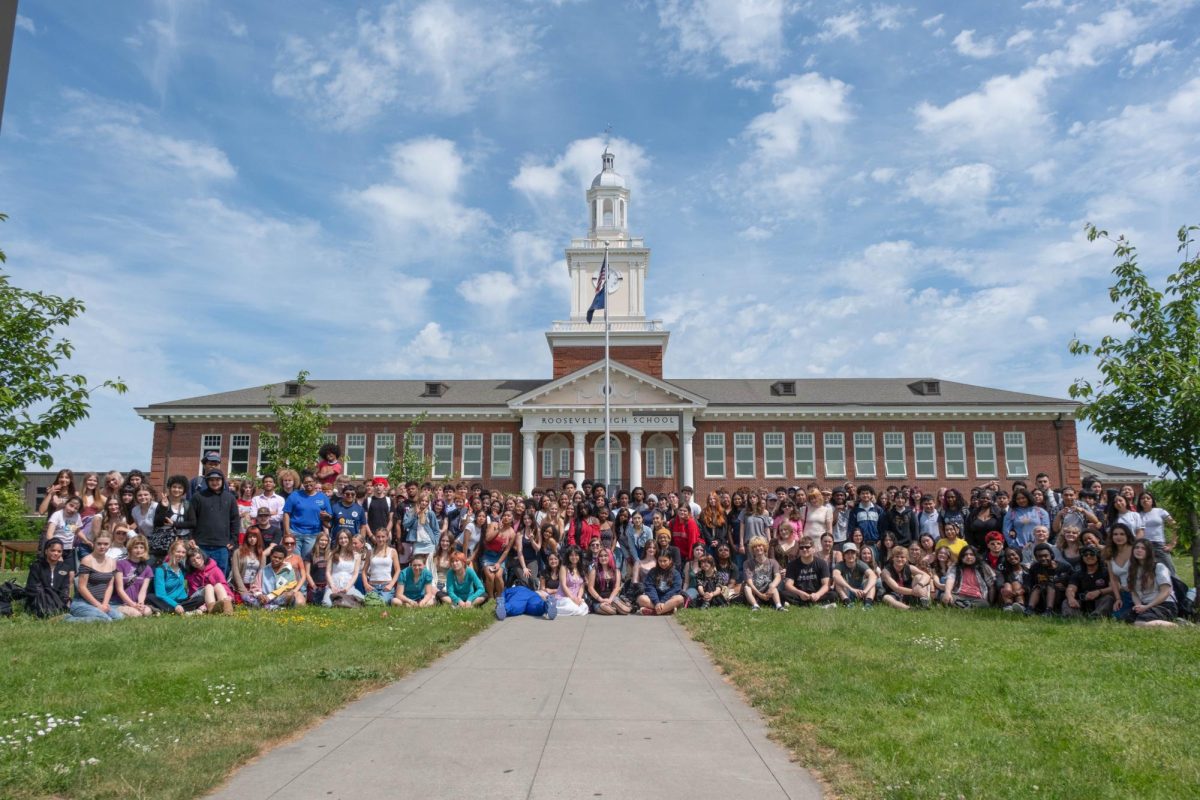


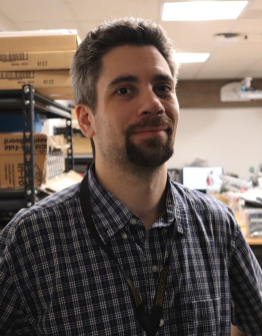
Career Technical Education, or CTE, is a form of learning in which students gain hands-on experience in skills directly related to career training. Roosevelt is proud to provide these educational opportunities to the St. Johns community, and nowhere is this more apparent than in the RHS engineering program. Randy Scott guides students of all grade levels through engineering design courses that range across a broad spectrum of disciplines, and it is time to shine some light on this important program by interviewing Mr. Scott himself.
Beginning in the 2021-2022 school year, engineering at Roosevelt is making a global impact with the help of the non-profit organization Squads Abroad. According to Mr. Scott, “The overall mission of the project is for our Roosevelt class to design a clean water system for a remote community in South America.” I was fortunate enough to participate in this project last school year, where my class designed a water piping system and presented our design to the water council in the Ciudadela community in Nicaragua. Squads schools also work with an engineer onsite to ensure that the community served has a voice in the design of their clean water system. Unfortunately, due to civil unrest in Nicaragua, Roosevelt’s efforts have been relocated to a community in Panama. As for the future of the project, “this year we’re focusing more on the structures involved such as water tank and pumping design.” Engineering classes will begin work on the engineering of these structures this school year after winter break.
Engineering courses are part of the larger CTE program at Roosevelt, one Mr. Scott supports through his instruction. “CTE has really expanded at RHS in the past seven to eight years, we have a lot of CTE opportunities now.” Alongside the expansion of these opportunities, students can even gain college credit by taking engineering classes at Roosevelt. According to the National Center for Education Statistics, students who take even 1 credit of CTE are more than 10% more likely to enroll in postsecondary education such as trade school or university. CTE gives students an opportunity to explore what career paths they are interested in before pursuing postsecondary education, and as Mr. Scott observes, “In high school, that exploration is free.” If you are a student, consider stopping by the makerspace in room 78D. You may be pleasantly surprised at what you’ll learn.