




















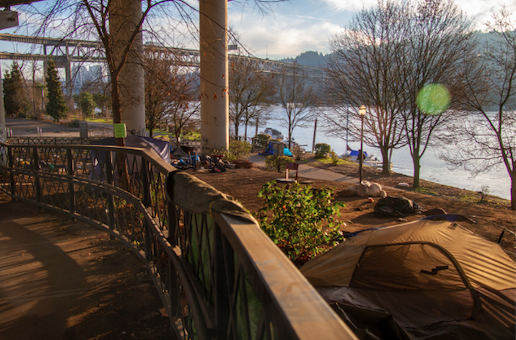
Portland has been characterized as a vibrant, booming city with an extensive arts scene and beautiful landscapes. Portland is also ranked as one of the most expensive cities in the country due to many factors such as high rent, little affordable housing, substance abuse, and pure popularity, according to Portlandrealestate.com. Over time and dozens of leadership changes, Portland has proven to struggle with houselessness. For years, the people of Portland debated the “right” answer: how to fix such a deeply rooted problem.
In August of 2016, former mayor, Charlie Hales officially ended the ‘Safe Sleep’ program, which previously insured homeless people could sleep on the streets undisturbed by law enforcement. The program was well meaning but caused confusion, Hales said “It was never intended to legalize (street) camping.” (CBS News). After what seemed like a standstill in efforts to decrease houselessness post Covid-19, the Portland City Council unanimously approved the revised public camping ordinance on May 8, 2024.
Lawmakers have struggled to form an effective long term policy because banning camping poses the question of whether houselessness should be “criminalized”. A Portland.gov article published October 30th, 2025 responds to this question, saying “No, the ordinance establishes City Code that prohibits camping when shelter is available and creates rules prohibiting certain camp activities and conditions that threaten public health and safety.” This means that camping is only prohibited when alternate shelter is deemed available. Mayor Keith Wilson reached his goal of 1,500 beds by December 1st, 2025. “Really, the goal is to always have enough beds to provide care when somebody’s ready to come inside,” Wilson told The Oregonian. This amount of beds cost around $21 million, and were mostly funded by the voter-approved Metro services supportive housing tax that went into effect in 2021.
The public camping ordinance aims to prohibit camping in public spaces when people have access to reasonable alternate shelter. Although it’s less than clear what the immediate impacts will look like for Portlanders living in public spaces will be, the ordinance is implementing possibly the harshest guidelines Portland has seen since the 1980s. The ordinance drafted by former Mayor Ted Wheeler was postponed in February of 2025, but began enforcement on November 1st, 2025. According to the official ordinance, enforcement will be carried out by the Portland Police Bureau. Officers will issue a citation if a violation of the ordinance occurs. People who receive a citation will then be given a date to appear before the court. At this time, officers will not be arresting individuals for a violation of the ordinance, however, if an officer sees other criminal behavior at the time of citation or finds that the person being cited has an existing warrant, an arrest can be made.
New public camping restrictions within the ordinance that immediately result in a citation are:
- Obstructing access to pedestrian use zones (i.e., sidewalk), private property, or businesses adjacent to a public sidewalk
- Starting or maintaining any fire or use of a gas heater
- Assembling, disassembling, selling, distributing, or storing multiple bicycles or automobiles.
- Camping on property marked “no trespassing” by the City
- Setting up any type of permanent or temporary structure of any material upon public property or public right-of-way
- Causing environmental damage (Digging holes, cutting trees etc.)
- Storing personal belongings, or other objects, more than two feet outside the tent
In order to gain insight on our newly elected Mayor’s approach to the homelessness crisis, I connected with him over email. One campaign promise drawing voters to Wilson was his promise to prevent unsheltered houselessness in Portland. Wilson says “I was elected to address the critical crisis on our streets, and I delivered on my first campaign promise: ensuring a shelter bed is available for anyone who wants one.” Wilson was elected because he gave Portlanders hope amongst the homelessness crisis, and is proving to follow through, making strides towards a solution. “But that’s only the beginning. As Mayor, I have to stay focused on the most compelling issues facing Portland today.” Public safety, green leadership, and revitalizing our economy are also all essential steps for Portland to thrive, according to Wilson.
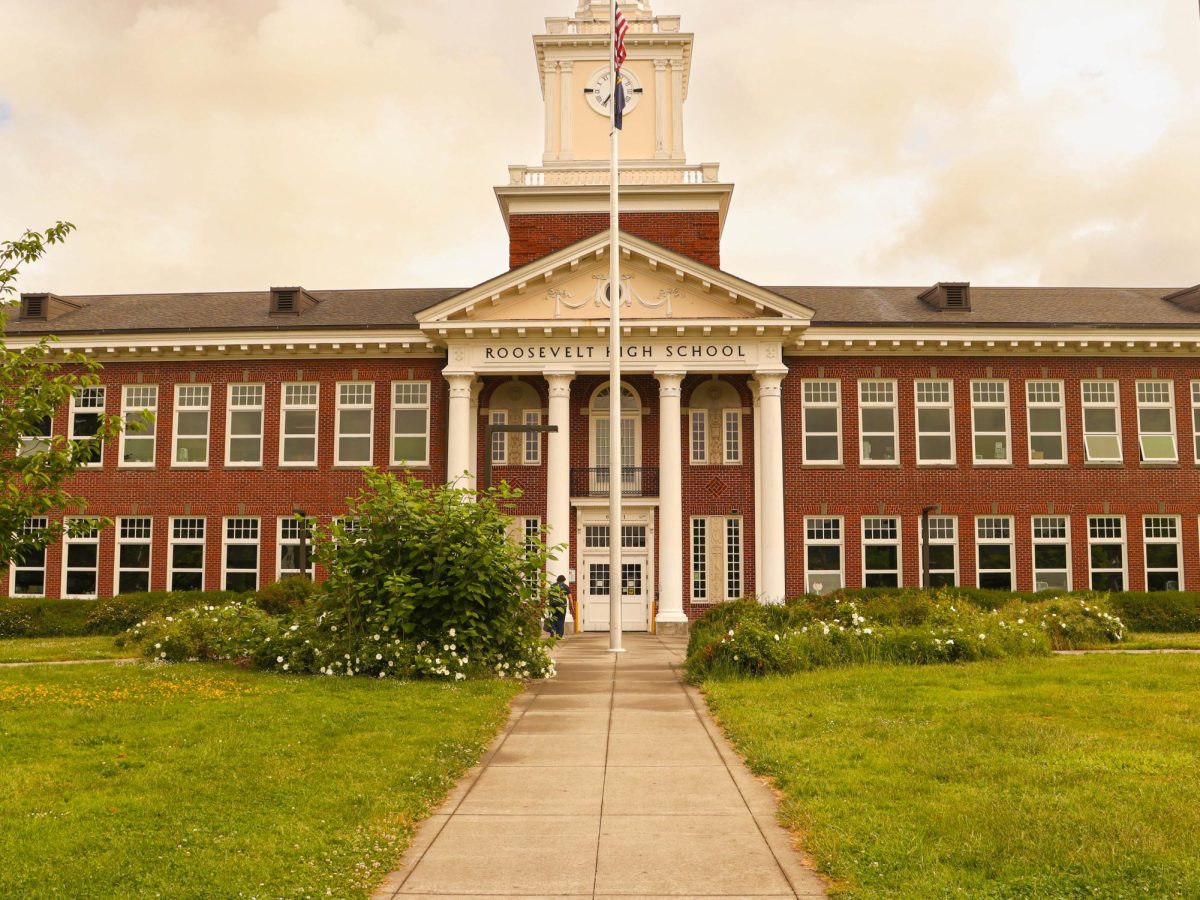
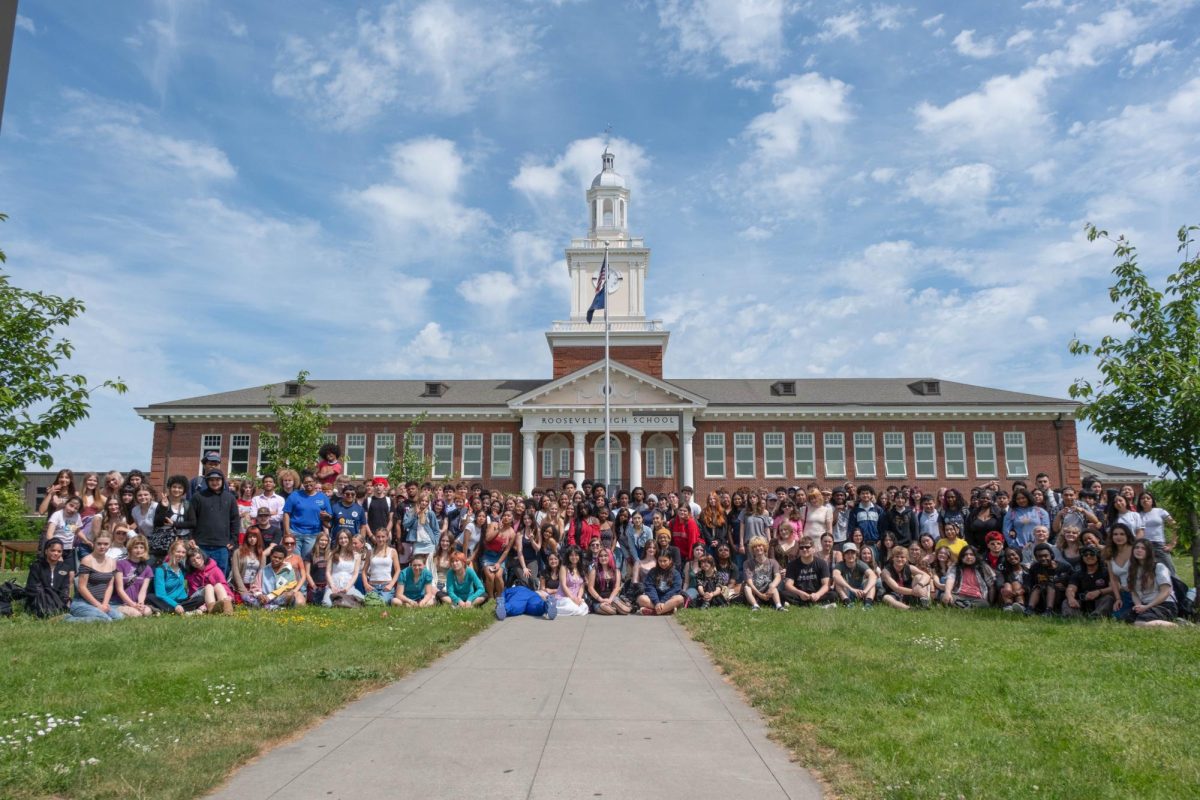
Mayor Keith Wilson was born and raised in North Portland. He attended Portsmouth/Cesar Chavez, Roosevelt High School, Portland Community College and Oregon State University before earning a Master of Business Administration from the University of Portland. North Portland has one of the tightest knit communities in the city, which feeds into the strong sense of pride we see here at Roosevelt. As a Roosevelt alumnus, and proud portlander, Wilson says “Growing up in North Portland shaped my belief that we take care of one another. The priorities I’m focused on today reflect those values as we ensure every part of our city has safe, livable neighborhoods, access to shelter, and support. That perspective has influenced how I approach the crisis on our streets and the responsibility we have to respond with both compassion and accountability.”
On December 11th, 2025 the City provided an update on camping ordinance enforcement, covering the first five weeks since enforcement resumed on November 1. Since enforcement has begun, no one has been arrested solely for camping.
“As I said from the beginning, we cannot arrest our way out of homelessness. We’ve seen a large number of people with outstanding warrants living on our streets. Enforcement has provided these individuals with an opportunity to resolve the issues keeping them on the streets. We’re seeing more and more people connect to life-saving care, and that is the true measure of success.” (Mayor Wilson). Data presented by the City of Portland, shows that 111 people accepted shelter service and/or moved from campsites to spending the night inside at an overnight shelter during the first five weeks of enforcement. In addition, 388 warnings were issued compared to just 20 citations. In my interview via email, Mayor Keith Wilson said, “We’re making real, measurable progress. Since January of last year, we’ve opened 1,566 shelter beds across Portland, creating more than 50,000 nights of safe sleep that otherwise would have been spent outside.”
Oregon has the highest rate of unaccompanied youth experiencing houselessness of any state. The Oregon alliance says “Youth experiencing homelessness is the number one predictor of chronic homelessness in adulthood.” With such high numbers of unaccompanied youth, without family or trusted adults to turn to, Oregon has created a pipeline of houselessness into adulthood. Numerous organizations exist in Portland to support youth, and young adults experiencing houselessness. New Avenues for Youth, an organization focused on giving youth experiencing houselessness in Portland opportunities to thrive, provides services that have impacted more than 30,000 young people as they work to overcome barriers and pursue their goals. From supporting basic needs like meals and counseling to providing opportunities for education, job training, employment, and housing, they meet youth where they are and help them get where they want to go. Similarly, Outside In, an Oregon non-profit, strongly believes young people need trusting adults to thrive, and in meeting people where they are. Outside In strives to provide a safe, supportive, and inclusive place for health care, along with services to help both the underserved and people experiencing homelessness achieve independence.
Although Portland is far from perfect, organizations like these make strides towards helping Potlanders in need every day. By further researching the crisis, it’s been amazing to see how many people devote their lives to the cause and make such huge impacts everyday. Not only has Portland faced these issues for decades, but these non-profits (and many more) have existed and continued to help the community from the beginning. Numbers of available beds and shelters are continuing to increase, while the amount of people sleeping on the street is steadily decreasing. Mayor Wilson has truly brought hope to the city in the midst of such a crisis, and will hopefully continue fighting for the houseless population of Portland.
Check out the official written ordinance at https://www.portland.gov/sscc/camping-ordinance